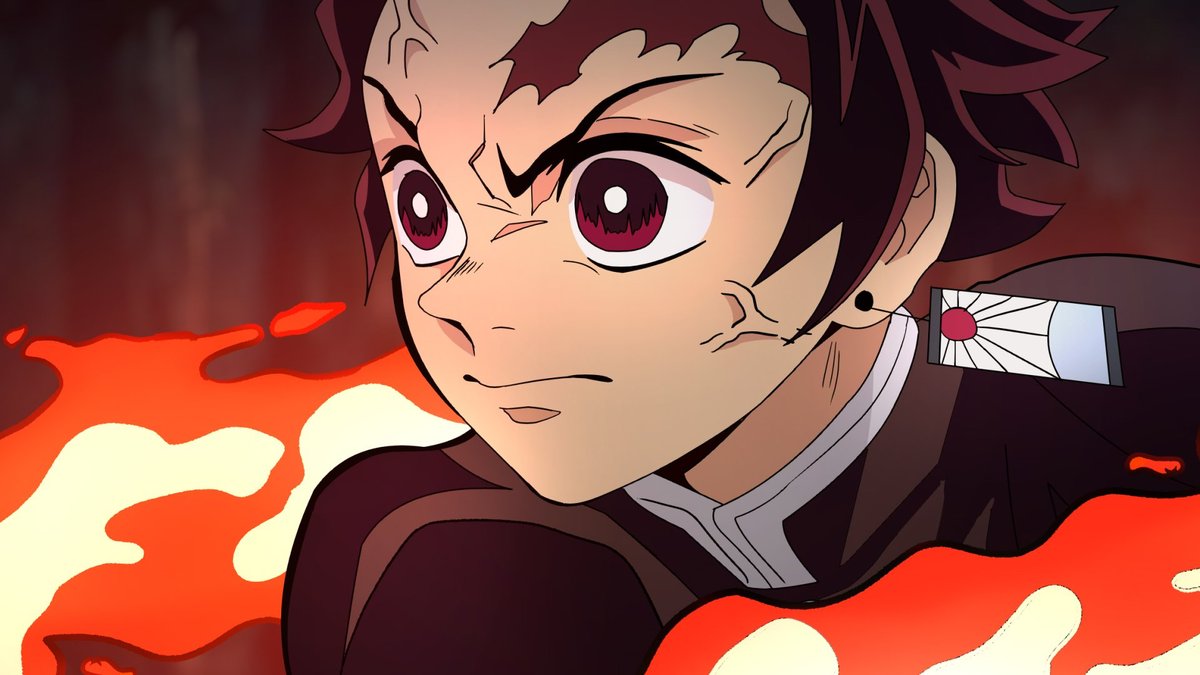
Gintama isn't just an anime; it's a cultural phenomenon, a masterclass in meta-humor, and a relentless parody machine that has skewered countless other popular series. When Demon Slayer: Kimetsu no Yaiba exploded onto the scene, capturing hearts worldwide with its compelling story and breathtaking animation, it was only a matter of time before Gintoki and his crew turned their attention to the earnest demon slayer, Tanjiro Kamado. This wasn't just a simple cameo; it was a testament to Gintama's unique comedic genius, transforming Tanjiro into an unexpected, yet perfectly fitting, piece within Sorachi Hideaki’s satirical art gallery.
This flagship hub delves deep into how Gintama brilliantly interpreted Tanjiro Kamado, from subtle nods to full-blown comedic assaults, turning him into a symbol of Gintama's unparalleled ability to honor and hilariously lampoon its contemporaries. Here, we'll explain the phenomenon, dissect the humor, and celebrate the creative genius behind it all.
Gintama's Parody Prowess Meets the Demon Slayer Phenomenon
For years, Gintama has reigned supreme as the king of anime parodies, famed for its daring approach to breaking the fourth wall and its no-holds-barred critiques of other popular manga and anime. No series, no matter how beloved, was safe from its comedic gaze. So, when Demon Slayer rose to unprecedented global popularity, particularly after its stunning anime adaptation by Ufotable, it became a prime target—or rather, a prime inspiration—for Gintama's unique brand of humor. To truly appreciate the layers of comedy at play, you might first want to and understand just how broad and audacious its comedic reach truly is.
Demon Slayer's protagonist, Tanjiro Kamado, with his kind heart, unwavering resolve, and iconic hanafuda earrings, quickly became one of anime's most recognizable faces. His journey to cure his sister Nezuko and avenge his family resonated deeply with audiences, making him an ideal character for Gintama to interpret through its distinctive comedic lens.
The Unmistakable Presence of Tanjiro Kamado in Gintama
When Gintama decided to feature Demon Slayer, it wasn't a question of if Tanjiro would appear, but how. The series, known for its clever visual gags and thinly veiled references, seamlessly wove elements of Tanjiro's character, his journey, and even his signature Water Breathing techniques into its own chaotic narrative. These weren't mere throwaway jokes; they were meticulously crafted moments designed to delight fans of both series. If you're curious about the specific instances, you can that brought this comedic fusion to life.
What makes Gintama's take on Tanjiro so special is how it captures the essence of his character—his earnestness, his strong sense of justice, and even his distinct visual cues like his scar and hanafuda earrings—and then twists them into hilarious, often self-deprecating, forms. This nuanced approach allows Gintama to pay homage while simultaneously creating original comedic scenarios. To truly appreciate the intricate details and comedic genius, it's worth taking the time to .
Sorachi's Masterclass: Blending Homage and Hilarious Subversion
Tanjiro Kamado, as we know him, is a bright, compassionate protagonist, defined by his resilience and his mastery of Water Breathing, eventually evolving into the formidable Sun Breathing technique. He’s a character of profound depth, from his iconic black sword that can turn crimson to his ability to unleash the Thirteenth Form against Muzan Kibutsuji. Gintama skillfully uses this established persona as a springboard for its gags. It takes his dedication and unwavering spirit and finds ways to apply them to absurd, everyday situations, highlighting the stark contrast between the epic world of demon slaying and the mundane struggles of Yorozuya.
For those who want a refresher on the character Gintama is playfully dissecting, you can always . This context is crucial, as Gintama's humor often relies on a deep understanding of the original material to fully appreciate the subversion. Sorachi Hideaki's ability to extract these core traits and repurpose them within Gintama's irreverent universe is a testament to his comedic genius, making the parodies resonate deeply with fans.
Beyond Tanjiro: The Wealth of Demon Slayer Easter Eggs
While Tanjiro often takes center stage in Gintama's Demon Slayer parodies, he's far from the only element to receive the Gintama treatment. The series is packed with a multitude of references to other beloved Demon Slayer characters, iconic scenes, and even specific animation styles, all recontextualized for maximum comedic effect. From Nezuko’s box to Zenitsu’s thunder breathing, no stone is left unturned. These Easter eggs are often blink-and-you’ll-miss-it moments, adding layers of enjoyment for observant fans. To ensure you haven't missed a single chuckle-worthy moment, you should definitely .
The Meta-Humor Engine: Why Gintama's Parodies Hit Different
The genius of Gintama's parodies, including those involving Tanjiro and Demon Slayer, lies in its masterful use of meta-humor. The characters often acknowledge they are in an anime, comment on production issues, or directly address the audience, creating a unique comedic relationship. This self-awareness elevates the humor beyond simple mockery, transforming it into a smart, insightful commentary on the anime industry itself. To truly grasp the brilliance behind this approach, it's essential to .
Ultimately, the ability to respectfully (and disrespectfully) parody another series while still maintaining its own identity is a hallmark of Hideaki Sorachi's storytelling. His willingness to push boundaries and his keen observational humor are what make these crossovers not just funny, but truly iconic. For a deeper dive into the mind behind it all, you might wish to .
Fandom Reactions and Lasting Impact
The internet, as expected, erupted with joy and laughter every time Gintama unleashed another Demon Slayer parody. Fans from both camps celebrated the unexpected crossovers, sharing their favorite moments and dissecting every subtle jab. The parodies not only served as brilliant comedic relief but also fostered a sense of community among viewers, proving that humor can bridge even the most disparate anime universes. If you’re curious about the buzz, and shared their delight. This collective excitement solidified Gintama's reputation as a series that understands its audience and delivers exactly what they never knew they needed.
In the grand tapestry of anime history, Gintama's portrayal of Tanjiro Kamado stands as a unique art piece—a hilarious, heartfelt, and ultimately respectful homage that only Sorachi Hideaki could have crafted. It reminds us that even the most serious protagonists can find a place in the most absurd of worlds, leaving us with laughter and a renewed appreciation for comedic storytelling.